

Mathematics is often seen as a subject filled with formulas and procedures, yet its influence stretches far beyond textbooks or classroom exercises. In today’s competitive job space, math ability has become a quiet powerhouse shaping how professionals think, solve issues, and make decisions. Whether someone works in finance, engineering, healthcare, logistics, or digital technology, numerical reasoning enhances judgment and elevates performance. As more employers value candidates who demonstrate strong analytical instincts, understanding what sets math ability apart becomes essential. For those exploring other strengths that matter at work, reviewing this comprehensive list of skills can provide useful clarity. Mathematics isn’t simply about numbers—it’s about clarity of thought, sharper evaluation, and the capacity to approach work in more productive ways.
Mathematics Strengthens Problem-Solving Across Careers
One of the strongest reasons math ability matters is its impact on decision-making and practical reasoning. Professionals frequently face situations that require careful interpretation of information, whether analyzing production delays, estimating project timelines, or evaluating financial outcomes. Strong math ability helps individuals approach such tasks with structure and logic, allowing them to break challenges into smaller, workable components. This analytical mindset allows for clearer solutions, reduces avoidable errors, and increases efficiency in roles that depend on accurate interpretation. Even in fields that seem “non-mathematical,” employers prefer individuals who can think methodically and evaluate situations with clarity.
Mathematics Ability Supports Data-Driven Workplaces

Modern organizations operate on data—performance data, market trends, customer insights, operational statistics, and more. The skill to interpret such information is now essential, and math ability forms the foundation for that interpretation. Employees with strong numerical awareness are better equipped to understand key metrics, identify patterns, and use those patterns to guide decisions. As businesses continue to lean heavily on measurable insights, individuals capable of handling data thoughtfully gain a strong career advantage. Math ability helps transform raw numbers into valuable workplace action.
Math Skills Improve Technological Adaptability
As digital tools become widespread across industries, understanding systems that rely on logic and structure becomes increasingly important. Math ability supports this by helping professionals adapt more readily to software, systems, and digital workflows. Whether learning a new reporting tool, interpreting algorithm-driven outputs, or understanding automated calculations, a mathematical mindset reduces learning curves. Tech-driven workplaces appreciate individuals who can blend reasoning with digital comfort, and math provides the grounding necessary to do so. This does not require advanced academic knowledge; even solid basic arithmetic and logical thinking strengthen adaptability in tech-centered environments.
Employers Value Mathematical Ability in Team and Leadership Roles

Contrary to the perception that math ability is only relevant for technical roles, it also strengthens leadership and collaboration. Team leaders often evaluate budgets, schedule workflows, assess progress, and calculate resource needs. Individuals with strong math abilities manage these responsibilities with more clarity. They communicate numbers more effectively, build trust by presenting accurate evaluations, and guide teams with steadier planning. In collaborative roles, math ability supports fair distribution of workloads, clearer objective-setting, and stronger interpretation of project data. As organizations look for leaders who make thoughtful, well-evaluated decisions, math ability becomes a major advantage.
Math Ability Enhances Career Flexibility and Future Opportunities
Math ability also expands long-term career options. Many high-demand fields—such as data analytics, supply chain management, cybersecurity, accounting, and research—require strong numerical judgment. Even careers that appear unrelated are increasingly integrating quantitative responsibilities. A person with sound math ability is better prepared for role changes, additional responsibilities, and unexpected opportunities. This flexibility creates resilience in the job market and increases an individual’s value across multiple industries. As workplaces continue to evolve, professionals who maintain solid mathematical reasoning will remain competitive and better positioned for advancement.
Mathematics ability has become a vital competency in today’s employment environment because it strengthens problem-solving, supports data-driven thinking, improves adaptation to digital tools, enhances leadership clarity, and widens long-term career opportunities. While it may seem like a technical subject, its influence touches nearly every profession. Strengthening math ability doesn’t …

 It is known that those who are ACLS certified are more highly regarded in the medical field. When an employer sees that you have taken the time and put in the effort to get certified, they will view you as being a more competent employee. This can lead to getting hired for jobs more efficiently or even being promoted within your current organization. Additionally, other healthcare professionals will view you as more knowledgeable and skilled if you are ACLS certified. This can make it easier to form collaborative relationships with others in your field. These connections can be beneficial both professionally and personally.



 Imagine a 6-year-old boy completing a 9-piece puzzle. You would have finished it in less than a minute. On the other hand, a puzzle of 400 pieces is beyond his abilities. It shows exactly how important the number of pieces of a puzzle is to your child’s abilities. The number of bits is one of the most important factors in choosing the ideal puzzle for children.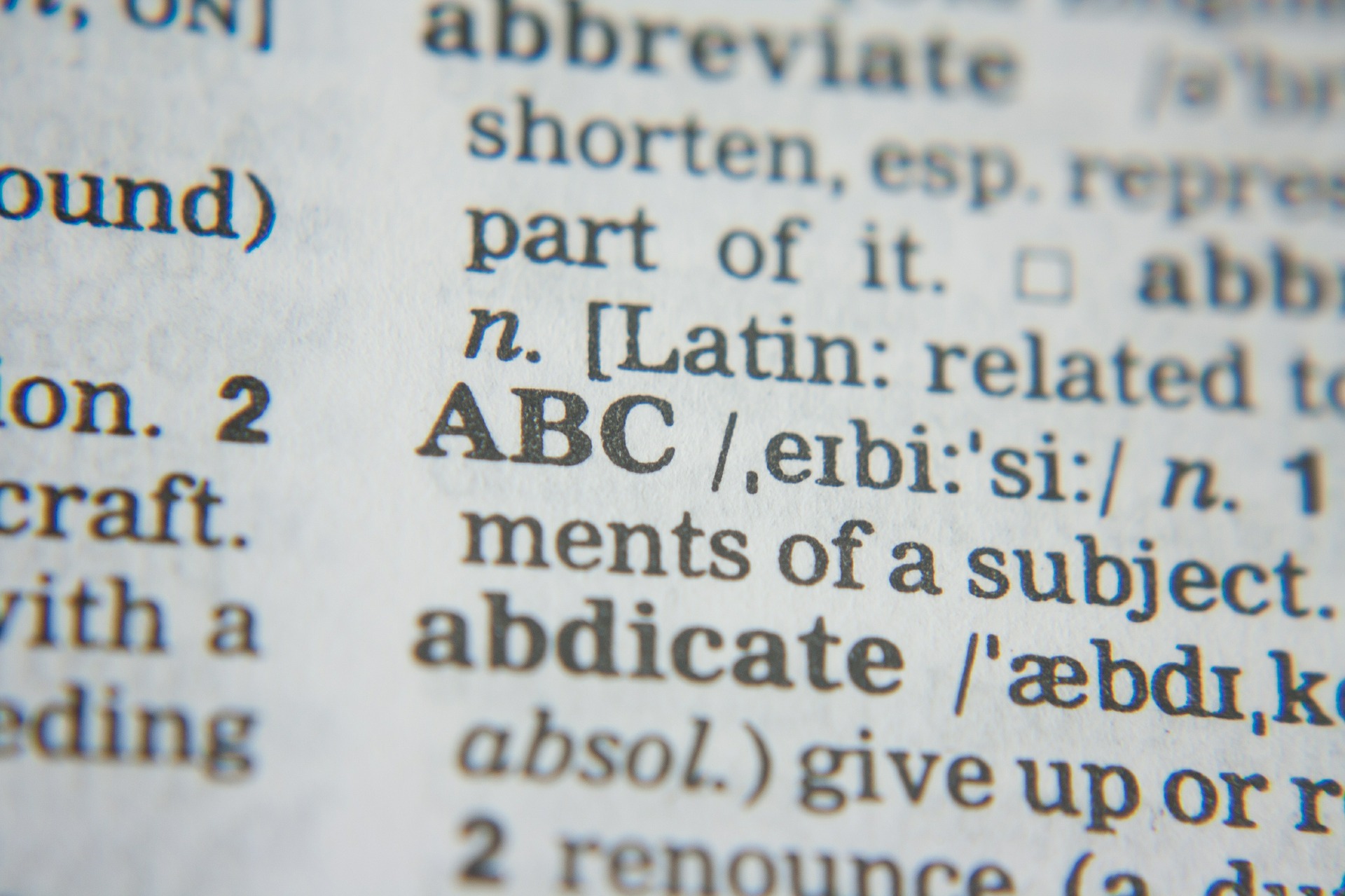

 When studying a precise vocabulary, the use of dictionaries is useful. You can discover the dictionaries available on the Internet and in cellars. Graphics, images, and animations will help you strengthen a word in your memory. The art of studying words that occur constantly or frequently could be learned to improve your language.
 One of the most common types of this word puzzle uses the word position to create another word or phrase. When one puzzle includes the term “man” within the word “moon,” it establishes the understanding answer “a person on the moon” from the way the words are positioned. This form of puzzle promotes reading skills development to help children identify and distinguish different words. Other patterns of the puzzle also help introduce children to the study of thought in understanding reading text. The puzzle model requires the skill to read either from left to right or top to bottom or even highlighted or copied to guide the player in solving the puzzle mystery. For instance, if there are three repetitions of the word “base” and an arrow points the first one, then the player can find the puzzle key as “first base.” These two puzzle patterns are undoubtedly great for developing their reading skills and understanding new words better.